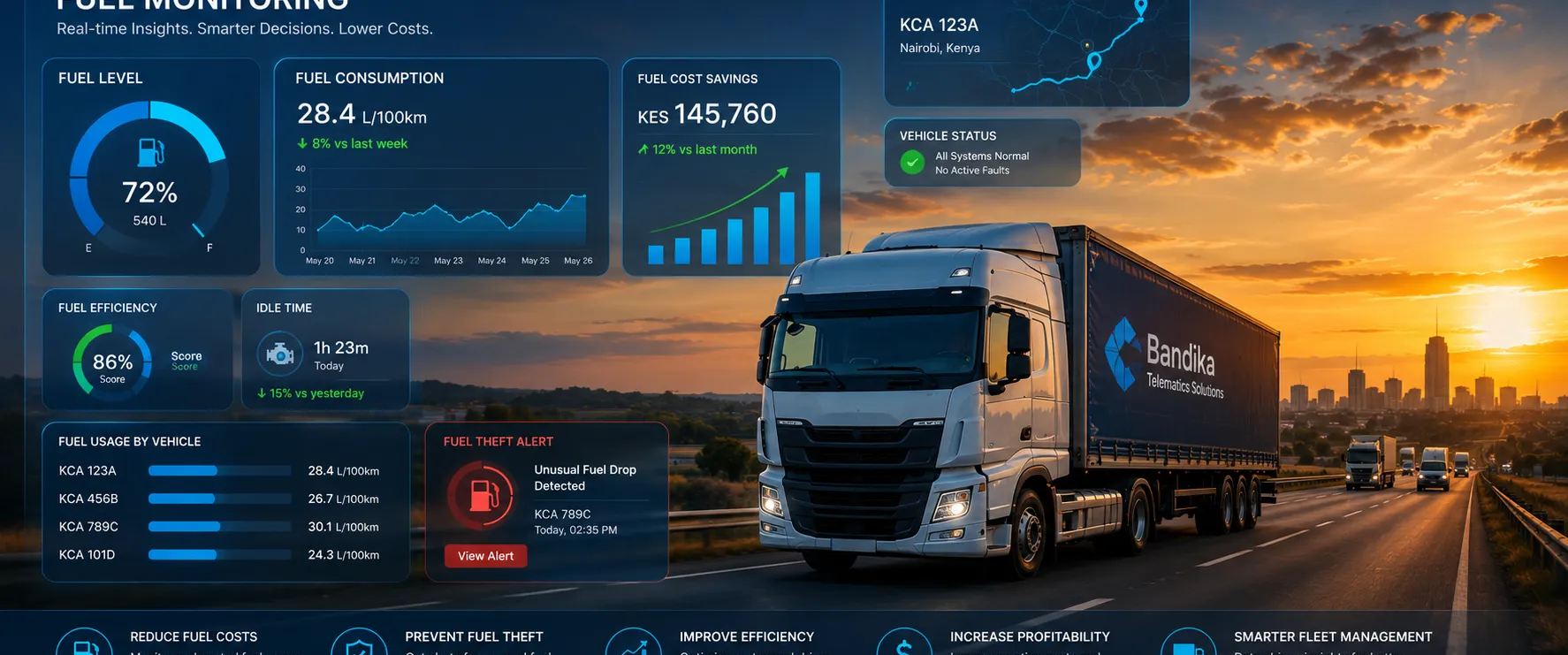
Fuel is one of the largest operating expenses for businesses that rely on vehicles to transport goods, deliver services or manage field operations. For many fleet operators, fuel costs can account for a significant portion of monthly expenses, making effective fuel management essential for maintaining profitability.
Without proper visibility into fuel usage, businesses often struggle with fuel wastage, inefficient driving habits, unauthorized fuel consumption, and rising operational costs. This is where modern fuel monitoring solutions play a critical role.
Understanding Fuel Monitoring
Fuel monitoring uses telematics technology to provide real-time visibility into how fuel is consumed across a fleet. Through sensors, GPS tracking and intelligent reporting systems, fleet managers can monitor fuel levels, consumption patterns, vehicle performance and driver behaviour from a centralized platform.
Instead of relying on manual records or estimates, businesses gain access to accurate data that helps them make informed decisions and improve operational efficiency.
Reducing Fuel Waste
Fuel waste often occurs through excessive idling, harsh acceleration, speeding, inefficient route planning and unnecessary vehicle usage. While these issues may seem minor individually, they can result in substantial financial losses when multiplied across an entire fleet.
Fuel monitoring systems identify these inefficiencies by providing detailed reports on vehicle activity and fuel consumption. Fleet managers can then take corrective action by improving driver training, optimizing routes and implementing better operational practices.
Preventing Fuel Theft and Unauthorized Usage
Fuel theft remains a significant challenge for many businesses. Unauthorized fuel siphoning, misuse of company vehicles and discrepancies in fuel purchases can increase operating expenses and affect profitability.
With real-time fuel monitoring, businesses can receive alerts when unusual fuel level changes occur. This allows fleet managers to investigate potential issues immediately and reduce losses before they become significant.
Improving Driver Performance
Driver behaviour has a direct impact on fuel consumption. Aggressive driving, excessive speeding and prolonged idling increase fuel usage and vehicle wear.
Fuel monitoring systems help identify driving patterns that contribute to higher fuel costs. By using performance reports and driver scorecards, businesses can encourage safer and more fuel-efficient driving habits, leading to long-term savings.
Optimizing Route Planning
Poor route planning often leads to unnecessary mileage, traffic delays and increased fuel consumption. Modern telematics platforms combine GPS tracking with route optimization tools to help drivers choose the most efficient routes.
By reducing travel time and minimizing unnecessary detours, businesses can lower fuel expenses while improving service delivery and customer satisfaction.
Enhancing Operational Visibility
One of the greatest advantages of fuel monitoring is the visibility it provides into daily fleet operations. Managers can access detailed reports on fuel usage, vehicle performance, trip history and efficiency trends.
These insights enable organizations to identify areas for improvement, set performance benchmarks and make strategic decisions based on accurate data rather than assumptions.
Long-Term Business Benefits
Businesses that implement fuel monitoring solutions often experience benefits beyond immediate cost savings. Improved fuel efficiency contributes to lower operating expenses, increased vehicle lifespan, better driver accountability and reduced environmental impact.
Over time, these improvements create a more sustainable and profitable fleet operation while helping businesses remain competitive in an increasingly demanding market.
Conclusion
Fuel costs will continue to be a major concern for fleet operators, but businesses that leverage fuel monitoring technology gain the tools needed to control expenses and improve efficiency. By tracking fuel usage, preventing losses, improving driver behaviour and optimizing operations, organizations can achieve significant savings while enhancing overall fleet performance.
With the right telematics solution in place, fuel monitoring becomes more than a tracking tool, it becomes a strategic asset for smarter fleet management and long-term business growth.
At Bandika IoT, we help businesses leverage advanced fuel monitoring and telematics solutions to gain complete visibility over their fleet operations. Our technology empowers fleet managers to make smarter decisions, improve driver accountability, reduce fuel waste and increase overall profitability.
Whether you manage a small fleet or a large transport operation, Bandika IoT has the tools and expertise to help you optimize performance and lower operating costs.
Contact Bandika IoT today to learn how our fuel monitoring and fleet management solutions can help your business operate smarter, safer and more efficiently.
Comments (0)